
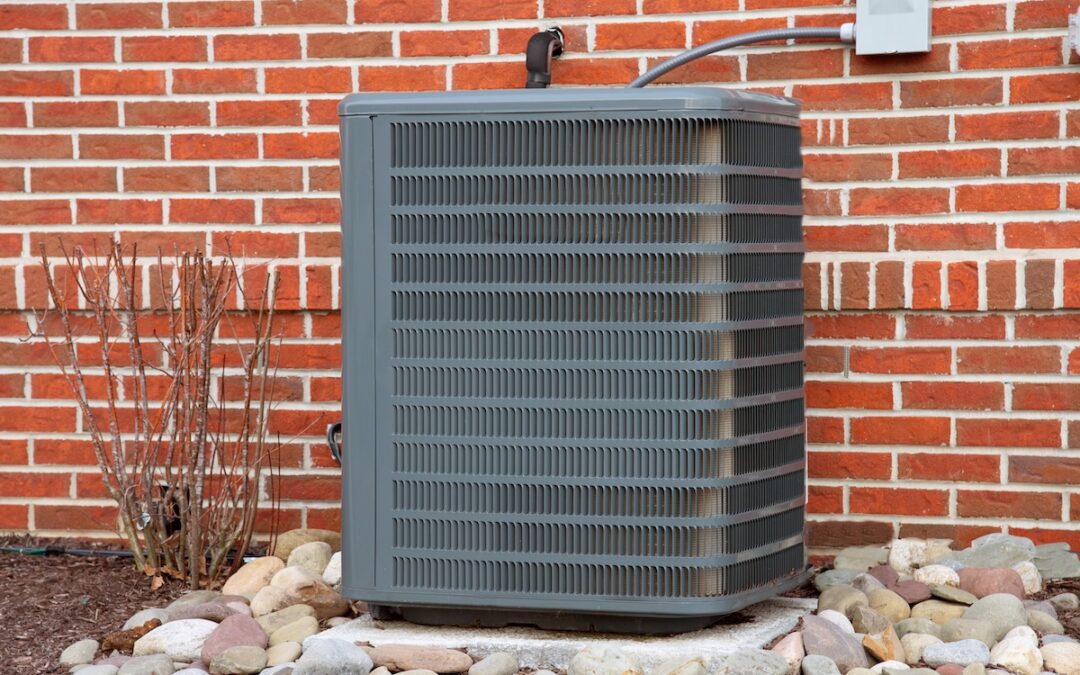
Designing an HVAC system for a high-performance home isn’t just about picking a box with a high efficiency rating; it’s about understanding the house itself. We recently worked with a homeowner in Waltham who was weighing a difficult choice: sink money into a failing gas furnace or pull the trigger on a full conversion to a high-efficiency Bosch electric heat pump.
Why Ductwork Design Matters More Than System Efficiency
Older New England homes require custom solutions because, unlike modern developments, they weren’t built from a standard blueprint. We saw this clearly in a recent Waltham project: the homeowner had a beautiful sunroom located on the exact opposite side of the house from his heating equipment. While he wanted to go all-electric, his 30-year-old ductwork was buried deep behind finished sheetrock—and that created a major deliverability risk.
In the HVAC industry, deliverability is the metric that actually keeps you warm. It’s the measure of how the heated air will travel and helps us determine whether the heat created in the basement will actually reach your living space. You can buy a unit with the highest efficiency ratings, but heat pumps operate differently than old furnaces; they move a higher volume of air at a lower temperature.
If those ducts are too narrow or have too many twists and turns over a long run, the hot air loses its momentum before it reaches a distant room. Without proper sizing, you’d have a high-tech system in the basement and a freezing sunroom in February. We spent half a day mapping the home’s ductwork to ensure the system could actually deliver the comfort the homeowner was paying for.
The 2026 Financial Logic: Comparing Gas vs. Electric Heating Costs in Massachusetts
When we look at the ROI for a project like this, we have to be brutally honest about the 2026 energy landscape. Massachusetts currently has some of the highest electric rates in the country, while natural gas prices have stayed relatively flat.
- The Upfront Win: By committing to a “Whole-Home” conversion, the customer unlocked the $8,500 Mass Save rebate. While that’s down from the $10,000 cap we saw last year, pairing it with the 0% interest HEAT Loan still makes the initial math very attractive.
- The Operational Reality: We didn’t sugarcoat the bills. With electricity hovering around 35 cents per kilowatt-hour, an all-electric heat pump will cost more to run during a 5-degree cold snap than a modern gas furnace. We had a frank and straightforward discussion with the homeowner, and after careful consideration he determined that this was the right move for his home and lifestyle.
Beyond the Rebate: Future-Proofing a Waltham Home for the Next 15 Years
One thing we’ve learned over decades on the job is that there is a massive difference between a system that just “runs” and a system that “performs.” Too many contractors simply install the equipment, collect their fee, and move on. But if you force a modern heat pump into undersized, 30-year-old ducts, the results are predictable: a noisy system, cold spots in distant rooms, and equipment that burns out years before its time.
For this Waltham homeowner, the decision wasn’t just about the $8,500 rebate—it was about peace of mind. By spending the extra time to map the home’s specific needs and fine-tuning the airflow, we ensured the system wasn’t just efficient on a spreadsheet, but reliable in a blizzard.
This conversion does more than just replace a failing furnace; it makes the home solar-ready. As Massachusetts continues to transition toward a greener grid, this homeowner is no longer tied to full reliance on fossil fuels. He now has a high-performance system designed specifically for the unique footprint of his New England home—one that will keep that sunroom comfortable for the next fifteen winters and beyond.
Want to see if your home is a candidate for a $8,500 rebate?
The transition to electric heat is a complex calculation of rebates, utility rates, and ductwork capacity. We’ll help you crunch the numbers and design a system that actually fits your home.
Massachusetts Heat Pump Conversion FAQ: 2026 Mass Save
Will a heat pump really keep me warm in a Massachusetts winter?
The short answer is yes—modern cold-climate units can pull heat out of the air even at -15°F. But here’s the catch: it only works if your home’s envelope (a.k.a. insulation and windows) is up to par. Without a professional look at your ductwork, a heat pump can sometimes feel lukewarm compared to the blast of a gas furnace.
What are the 2026 Mass Save requirements for the $8,500 rebate?
To get that $8,500 Whole-Home check, you have to fully disconnect the gas or oil. You also have to use a licensed contractor in the Mass Save network and ensure the system uses the new low-GWP refrigerants like R-32.
Can I keep my existing ductwork for a heat pump?
There’s no way to know for certain without a review by a qualified HVAC expert. Heat pumps move more air than furnaces do. If your ducts are too small or they’re leaking heat into a drafty attic, you’re going to have comfort issues in the rooms furthest from the unit.
Turkey Heating & Cooling is an independent contractor and is not an agent, affiliate, or direct representative of the Mass Save® program or its Sponsors (Berkshire Gas, Cape Light Compact, Eversource, Liberty Utilities, National Grid, and Unitil).
The information provided in this case study is for general educational purposes only and reflects the program guidelines and rebate structures available at the time of publication (Winter 2025/2026). Mass Save® rebates, incentives, and financing offers are subject to change, cancellation, or funding depletion at any time without notice. Eligibility for specific rebates (including the Whole-Home Rebate) and the 0% HEAT Loan is determined solely by the Program Administrators and participating lenders, not by Turkey Heating & Cooling. Some details may be modified to protect customer privacy.
Reference to specific tax credits (such as the Federal Inflation Reduction Act/25C) does not constitute financial or tax advice. Homeowners should consult with a qualified tax professional or the official MassSave.com website to verify current eligibility and requirements before making purchase decisions.