
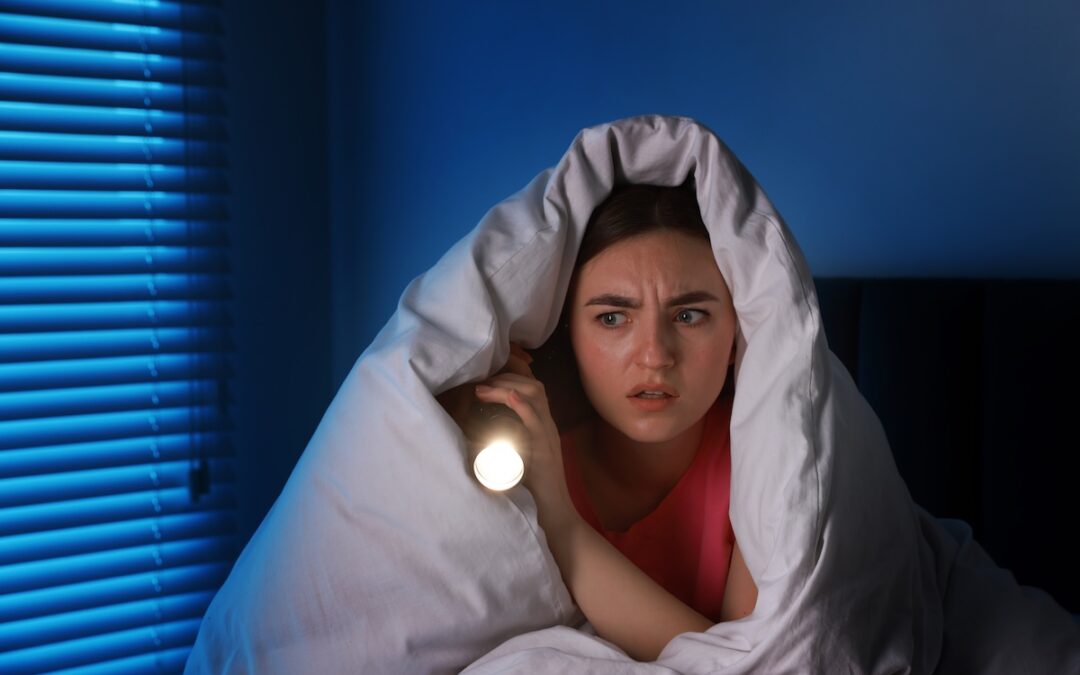
When “Spooky” Home Symptoms Have Totally Normal Explanations
It’s late fall in New England — the air is crisp, the leaves are crunching, and every old house seems to come alive after dark. A faint rattle in the walls. A cold draft that wasn’t there a minute ago. Lights that flicker for no reason. It’s enough to make anyone wonder if they’ve got more than squirrels in the attic.
But before you go calling your local ghost hunters, take a breath. Most of the “hauntings” that start around this time of year have nothing to do with the supernatural. They’re caused by your home’s heating and cooling system — expanding ducts, air leaks, dusty coils, and all. Your house might not be haunted, but it’s definitely trying to tell you something.
The Noises in the Walls
If you live in an older home, you probably already know how chatty it can be. But those late-night bangs and clanks coming from the walls? That’s not a ghost — it’s your ductwork talking.
When the furnace kicks on, the temperature inside your metal ducts changes quickly, causing them to expand and contract. The movement makes sharp popping sounds that can echo through the system, especially when everything else in the house is quiet. Loose brackets or uneven airflow can make the noise even louder.
Fortunately, the fix is simple. A technician can secure the ducts, balance your system, and add insulation where needed. Suddenly, the haunted soundtrack goes quiet — no ghost traps required.
Cold Spots and Creepy Drafts
Few things feel more supernatural than walking through a sudden patch of cold air. In an old triple-decker or colonial, it’s easy to picture something spectral brushing past your shoulder. But what you’re really feeling is a draft.
Air leaks around windows, doors, or duct joints let the warm air out and cold air in. And because warm air rises, upper floors can feel cozy while lower ones stay uncomfortably cool. Sometimes the system itself is to blame — blocked vents, dirty filters, or an unbalanced setup can leave one room sweltering while another feels like an icebox.
A good technician can track down those leaks, balance airflow, and seal things up tight. You’ll banish the “haunting” and keep every room comfortable.
Strange Smells
If your home suddenly smells like burning dust, mildew, or something vaguely chemical, it’s understandable to get a little uneasy. But these “phantom scents” are actually pretty common this time of year — and none of them are supernatural.
That faint burning odor when you first turn on the heat is just dust burning off the heat exchanger after sitting dormant all summer. A damp, musty smell usually points to moisture trapped in your drain pan or ductwork, feeding microbial growth. And if you ever catch a sharp, sulfur-like smell (think rotten eggs or natural gas), that’s not a ghost — that’s your cue to turn off the system and call Turkey Heating & Cooling right away.
Smells are one of your HVAC system’s clearest ways of communicating. The trick is knowing which ones are normal and which ones are a red flag.
Flickering Lights
There’s something undeniably eerie about lights dimming as soon as the furnace starts. But in most cases, it’s not a haunting — it’s just electricity doing what electricity does.
Your heating system draws a lot of power when it first kicks on, and that quick surge can cause the lights to flicker briefly. In older Central Massachusetts homes, that effect can be exaggerated by outdated wiring or overloaded circuits. Occasionally, it means a failing capacitor or loose connection.
It’s worth having checked, both for peace of mind and safety. Once it’s fixed, your lights will stay steady, and your house will feel a lot less like a scene from a horror movie.
Fog, Breath, or “Cold Mist”
If you’ve ever seen a puff of vapor roll out of your vents, you might have had a moment of hesitation or considered calling that weird cousin with the flea market exorcism kit. Don’t worry — that’s not ghost breath. It’s condensation.
When warm, humid air meets a cold vent or uninsulated duct, water vapor can condense and become briefly visible as mist. It’s the same effect that happens when you exhale on a cold day. Homes with long duct runs through unheated attics or basements — especially the older ones that make Worcester so charming — are more likely to experience this.
A little insulation and humidity control will make that ghostly fog disappear faster than you can say “Trick or treat!”
Things That Go Bump in the Attic
If your haunting has footsteps, it’s probably not a spirit — it’s a squirrel. Or a mouse. Or a raccoon.
Animals love the warmth that heating ducts give off in the fall. Once they squeeze into the attic or crawlspace, they make plenty of noise — and plenty of mess. They can even chew through insulation or wiring, which can cause HVAC performance issues or safety hazards.
If you’re hearing scurrying, call pest control first. Then, call Turkey H & C to inspect for damage or openings that need sealing.
The One Truly Scary Thing
Everything else on this list might give you a laugh, but there’s one HVAC danger that’s no laughing matter: carbon monoxide.
A cracked heat exchanger or blocked flue can leak carbon monoxide — a colorless, odorless gas that’s genuinely dangerous. If you ever feel dizzy, nauseous, or unusually tired while your heat is running, get outside and call for help immediately.
And while we’re on the subject: carbon monoxide detectors don’t last forever. Most expire after five to seven years, even if the test button still works. Check the date on the back, replace them when needed, and make sure there’s one on every level of your home.
Exorcise Your HVAC
So, is your house haunted? Probably not. But it might be overdue for maintenance.
Those strange noises, cold drafts, and unexplained smells are just your heating system’s way of asking for help. A seasonal tune-up clears out the cobwebs — figuratively and literally — and keeps everything running safely and efficiently through the long New England winter.
So before you light candles or burn sage, call Turkey Heating & Cooling. We’ll take care of the rattles, the chills, and the “phantom” smells — and leave your home warm, quiet, and blissfully ghost-free.
Who You Gonna Call?
Your house may not be haunted—but unmaintained HVAC systems are really scary. We don’t carry proton packs, but we do chase down rattles, cold spots, and alarming smells before they turn into real problems.
Call today to schedule your maintenance check and banish those spooky vibes for good!
FAQ: Haunting or HVAC?
Q: Why does my house make spooky noises when the heat turns on?
Temperature changes make metal ductwork expand and contract, causing loud pops or bangs. Loose ducts or airflow issues can make it sound even spookier.
Q: What causes cold spots in my home?
Cold spots come from air leaks, poor insulation, or unbalanced airflow—not supernatural activity. A tune-up can usually fix it.
Q: Why do I smell something strange when the heat starts?
Burning dust, musty odors, or fuel smells can all come from your HVAC system. Some are harmless; others require immediate service.
Q: Can flickering lights mean something is wrong with my furnace?
Yes. When the furnace starts, a strong power draw can cause flickering lights. It may indicate loose wiring or a failing motor capacitor.
Q: Why does my house feel haunted?
It’s likely your ‘haunting’ symptoms come from your home HVAC system. Noises, drafts, fog, and smells often come from heating and cooling issues—not ghosts.
Q: Are any of these signs of haunting an indication of real danger?
Carbon monoxide is the real threat. It’s odorless and invisible, so homeowners need working detectors on every level. If your HVAC system isn’t working properly, the safest (and most comfortable) thing to do is call a professional to take a look.